Lawn Erosion Control in Honolulu, HI
Lawn erosion control services focus on stabilizing soil and preventing the loss of grass and topsoil on residential properties. These services are commonly requested for projects involving slopes, hillsides, or areas prone to washouts after heavy rain or irrigation. Techniques may include installing erosion barriers, planting ground cover, or creating terraces to reduce runoff and protect the landscape’s integrity. Property owners typically want to understand how erosion control methods will safeguard their lawn, improve drainage, and maintain the appearance of their yard over time.
Before requesting erosion control services, homeowners should consider the specific conditions of their property, such as slope steepness, soil type, and drainage patterns. It’s helpful to identify areas where erosion has already occurred or is likely to happen, and to understand the desired outcome for the landscape’s stability. Clear communication about the project scope and the types of solutions available can ensure that the selected methods effectively address soil loss and support long-term lawn health.
Many property owners in Honolulu, HI look into Lawn Erosion Control for repairs, replacements, upgrades, and appearance-related improvements.
Erosion Control Solutions
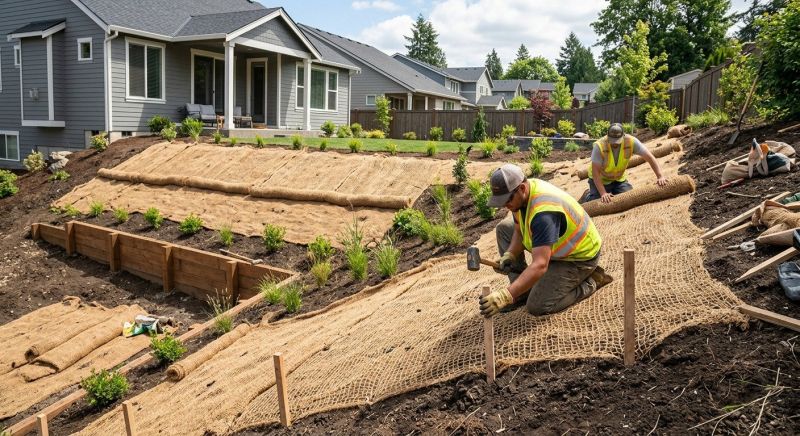
Strategies to prevent soil loss on slopes and landscaped areas.
Drainage And Soil Stabilization
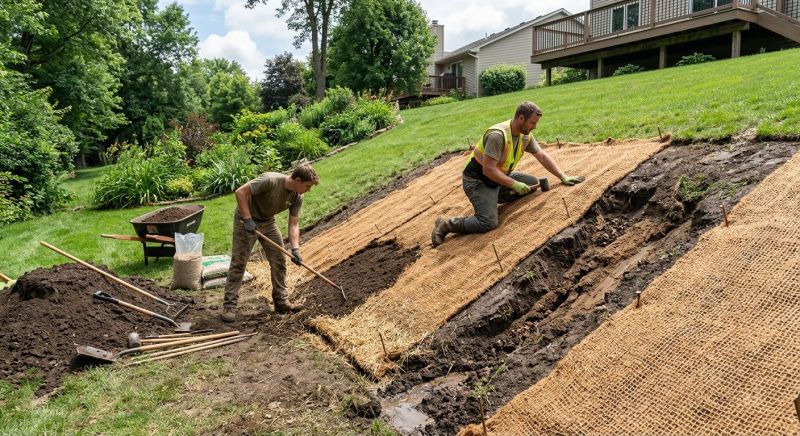
Techniques to improve water flow and maintain soil integrity during heavy rains.
Property Protection Measures
Methods to safeguard foundations and landscaping from erosion damage.
Lawn Erosion Control in Honolulu, HI

Lawn erosion control services focus on stabilizing soil and preventing the loss of grass and topsoil on residential properties. These services are commonly requested for projects involving slopes, hillsides, or areas prone to washouts after heavy rain or irrigation. Techniques may include installing erosion barriers, planting ground cover, or creating terraces to reduce runoff and protect the landscape’s integrity. Property owners typically want to understand how erosion control methods will safeguard their lawn, improve drainage, and maintain the appearance of their yard over time.
Before requesting erosion control services, homeowners should consider the specific conditions of their property, such as slope steepness, soil type, and drainage patterns. It’s helpful to identify areas where erosion has already occurred or is likely to happen, and to understand the desired outcome for the landscape’s stability. Clear communication about the project scope and the types of solutions available can ensure that the selected methods effectively address soil loss and support long-term lawn health.
Many property owners in Honolulu, HI look into Lawn Erosion Control for repairs, replacements, upgrades, and appearance-related improvements.
Common Lawn Erosion Control Jobs
Terrace and slope stabilization - techniques to prevent soil movement on inclined lawns.
Retaining wall installation - barriers built to hold back soil and reduce erosion risks.
Drainage solutions - systems designed to direct water away from vulnerable areas.
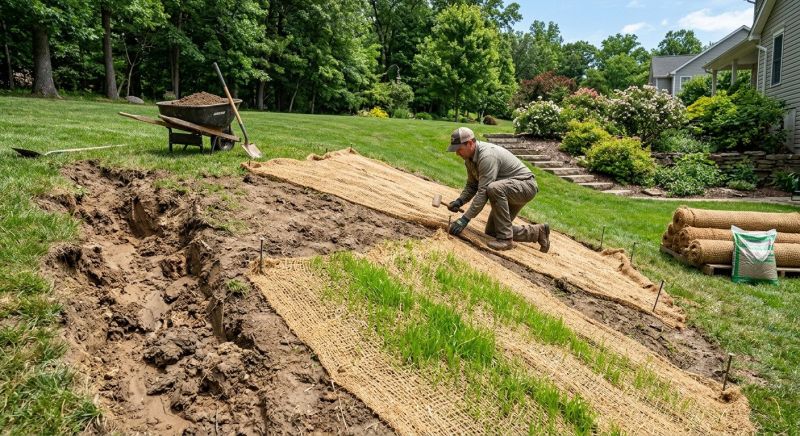
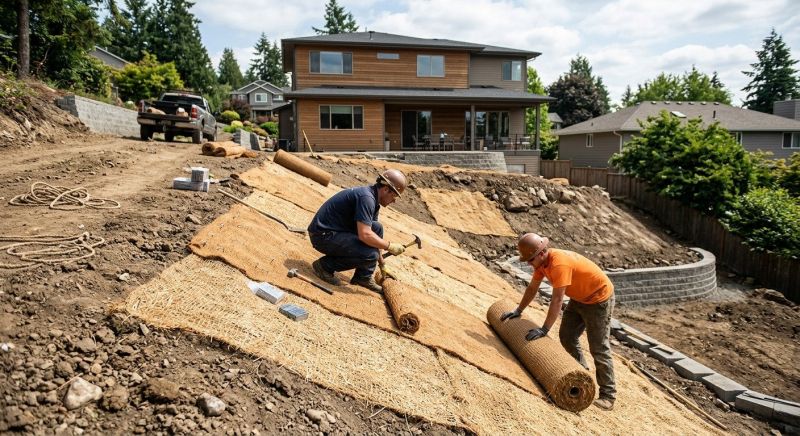
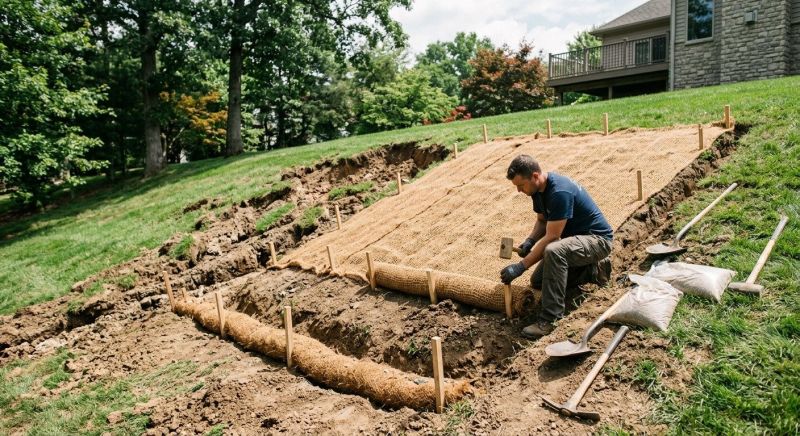
Erosion control matting - protective covers to stabilize soil and promote healthy grass growth.
Planting ground cover - vegetation chosen to anchor soil and minimize runoff.
Grading and leveling - reshaping land to improve water flow and prevent erosion.
Lawn Erosion Control Questions
What is lawn erosion control? It involves techniques to prevent soil loss and stabilize slopes in residential landscapes.
When is erosion control necessary? Erosion control is recommended on slopes, areas with heavy rainfall, or where soil movement has been observed.
What methods are used for erosion control? Common methods include planting ground cover, installing retaining walls, and applying erosion control blankets.
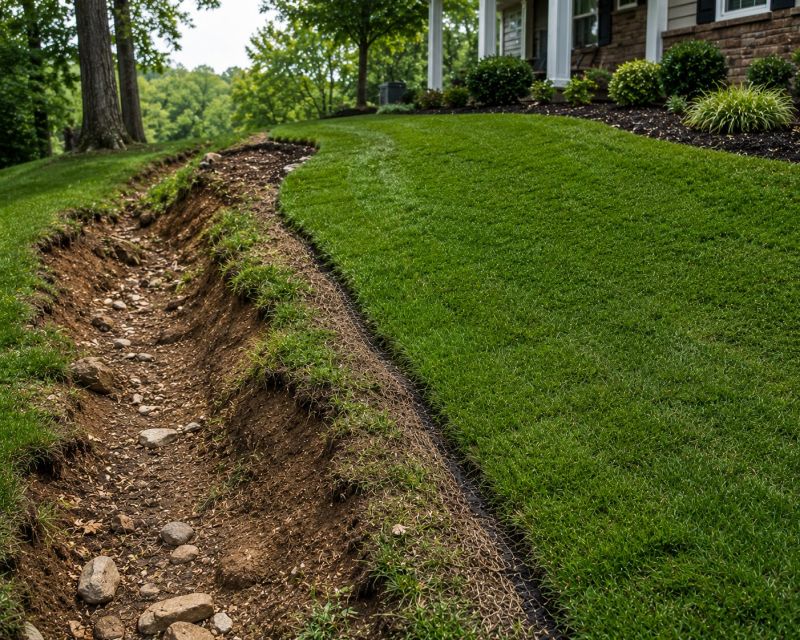
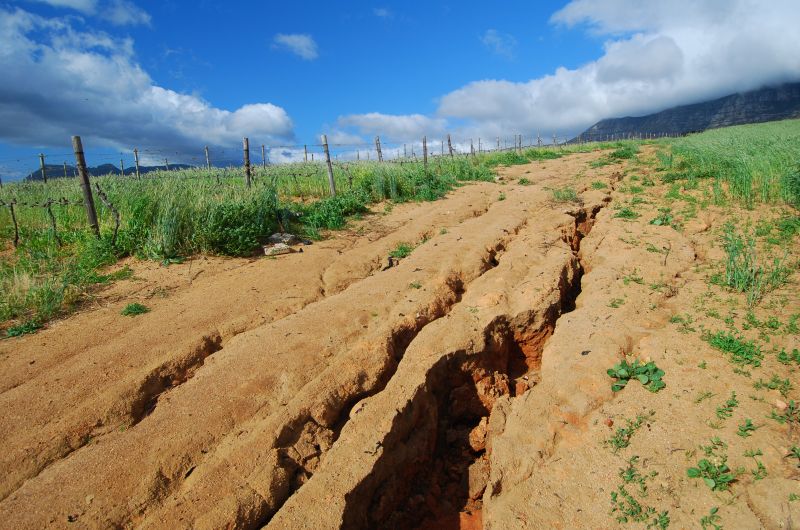
How does erosion affect a lawn? Erosion can lead to uneven ground, loss of topsoil, and damage to plants and grass health.
Request Lawn Erosion Control in Honolulu, HI
Use the quote form on this page to share the basics of your project and request more information for the type of work you need.